One thing I learned inside the world's most notorious fight club
Not Made of Glass
The first punch can set you free. It can also set something on fire.
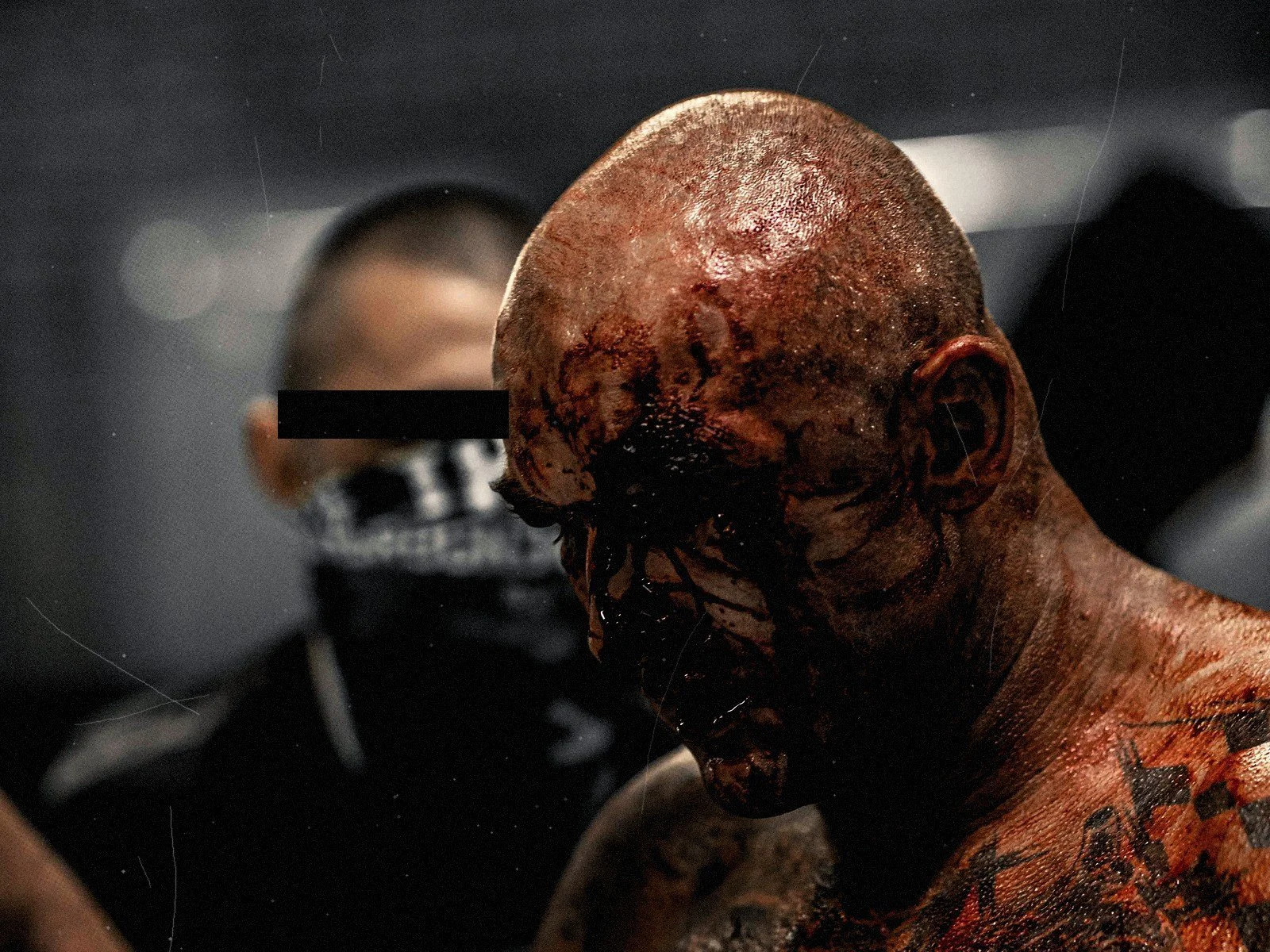
He doesn't like talking about himself. When the camera started rolling, the first thing he said was that he hated how unhumble it felt.
He is one of the men in Hype Crew, the group that runs King of the Streets. He wears a mask at the events. By day, he lives an ordinary life. He has known the others in the crew for around fifteen years.
People who see him at an event build a picture of him before they ever speak to him. He knows that. “I always want to be humble,” he told me. “I'm respectful to every person I meet, until they show me the opposite.”
He grew up in a time and a city where boys fought everywhere. District against district, from about the age of twelve. Nothing strange about it. Just ordinary life. But he wasn't one of the boys who liked it.
He was afraid of violence. People found it easy to walk all over him. He had a hard time losing, a hard time with anything that could hurt. Before his first real hit, he was sure the world would end if he ever took one.
“When I took my first hit, I realized I wasn't made of glass. And it was a liberation.”
Hype Crew member · translated from Swedish
I.The first one
It doesn't break. It isn't the end of the world. It isn't as dangerous as you thought.
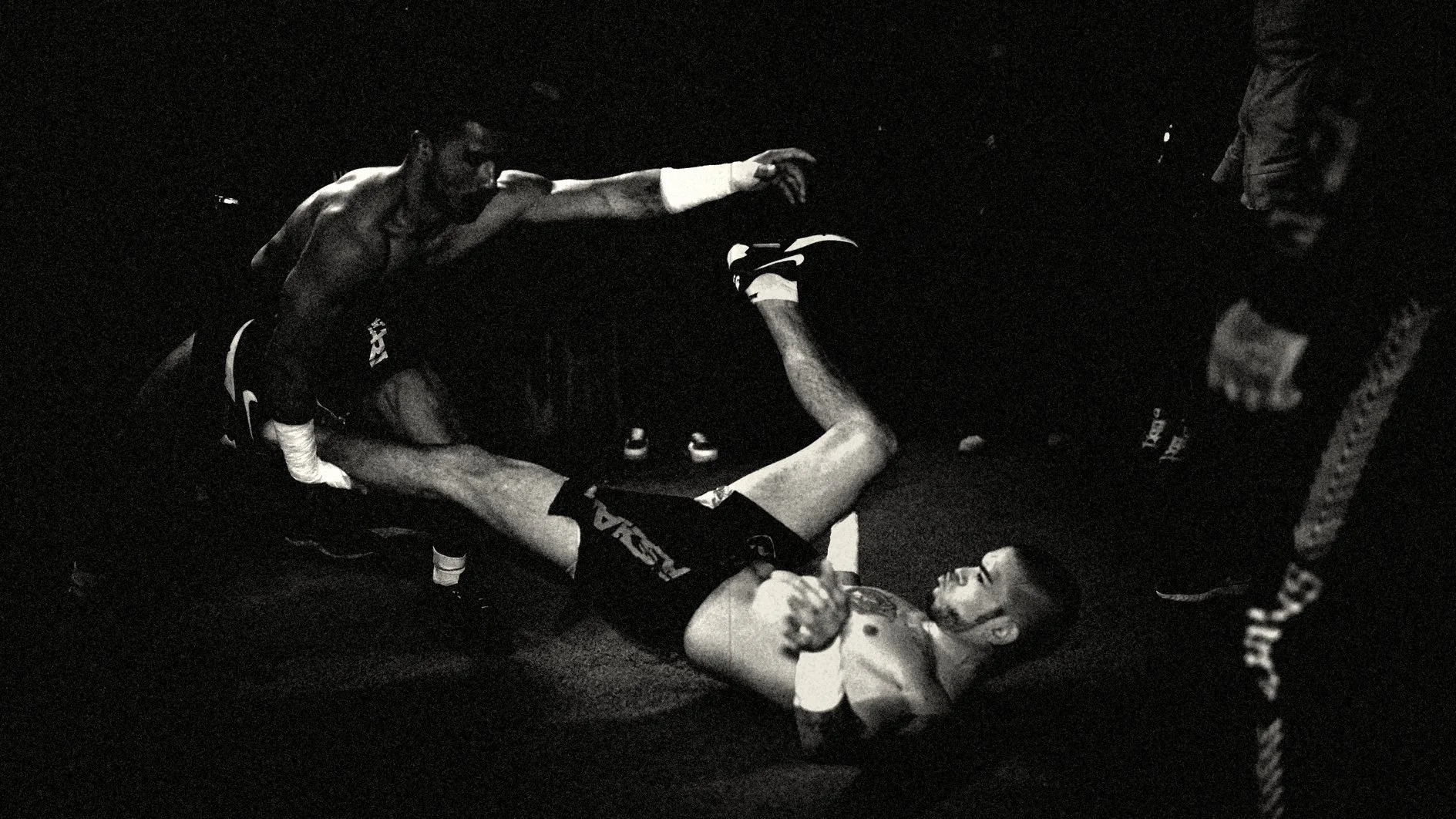
He says that is where he stopped moralizing about violence. There was a freedom, he said, in finding out he wasn't immortal, but also not nearly as fragile as he had believed. And he thinks people who never take that hit, who only ever imagine they are made of glass, will never quite understand that freedom.
Violence gave him confidence. A place where people stopped walking all over him. “Not because they're afraid of me,” he said. “They respect me for who I am.”
What changed most, he says, was standing alone. In the big group fights he grew up around, you could lean on the men around you and hide inside the crowd. One on one, you can't. Nobody else can do it for you. You have to show your own will, and only yours.
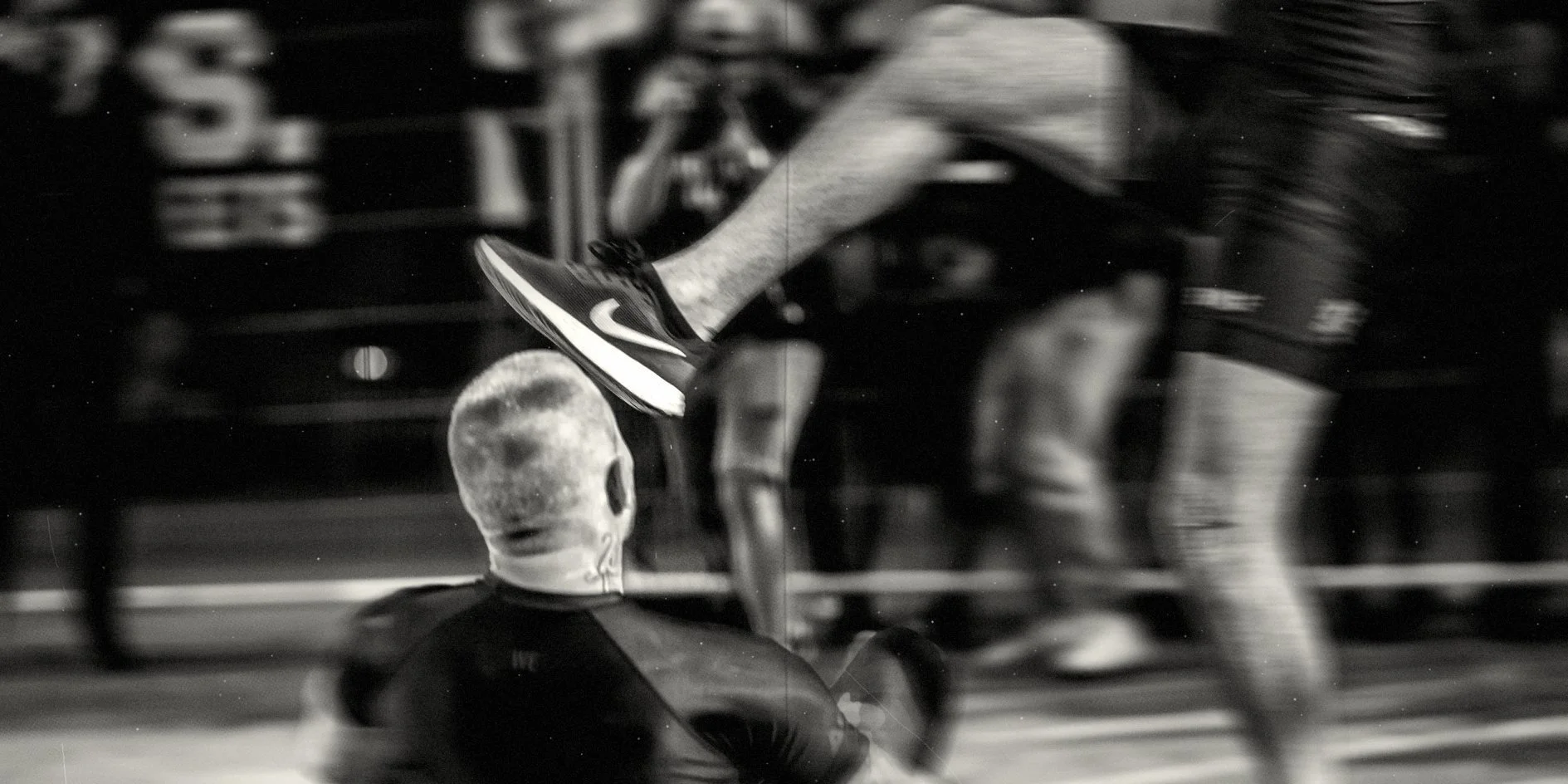
I asked him who he would have been without violence. He said it was a hard thought. When he first went looking for it, he said, he mostly wanted to fit in. To feel at home somewhere. To have a place.
There is something he wanted me to understand, too. He is not trying to recruit anyone. “I'm fine with everyone not wanting to be part of it,” he said. “I'm not going to sit here and propagate for it.” And he draws his own lines inside a world with no rules. The eye gouging, he told me, he finds disgusting.
II.Until you get there
It is hard to explain this to someone who hasn't made that journey. From the outside, it can look like a man getting comfortable with violence. From the inside, it is something else entirely.
Once you have made it yourself, you start to recognize it in other people. The moment someone realizes they are not made of glass. I have seen it in fighters, in the crew, sometimes in someone standing in the crowd.
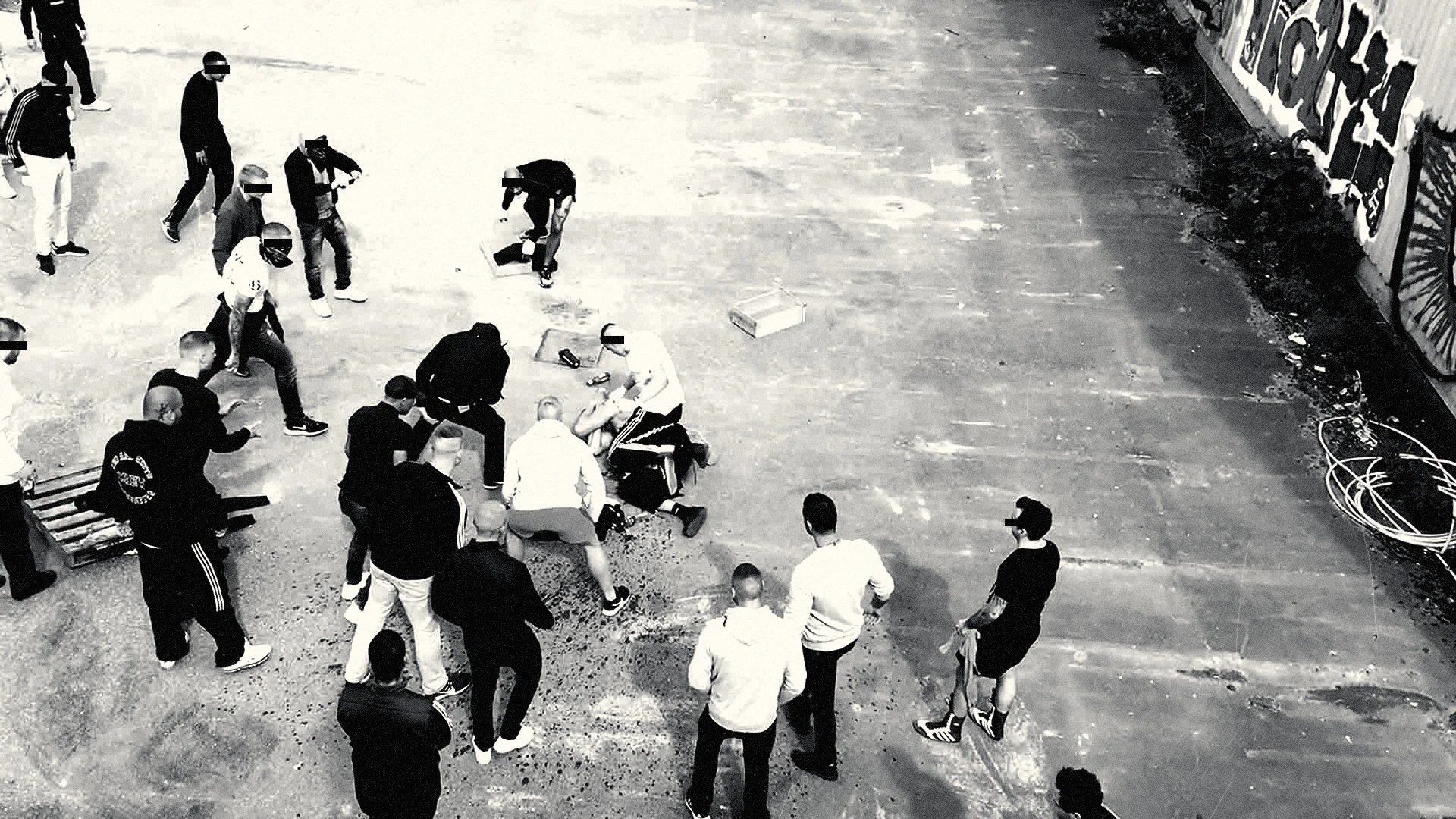
I think it is one of the most liberating moments a person can have. A fear you have carried for years, suddenly smaller than you. Not because you won. Because you found out you could take it.
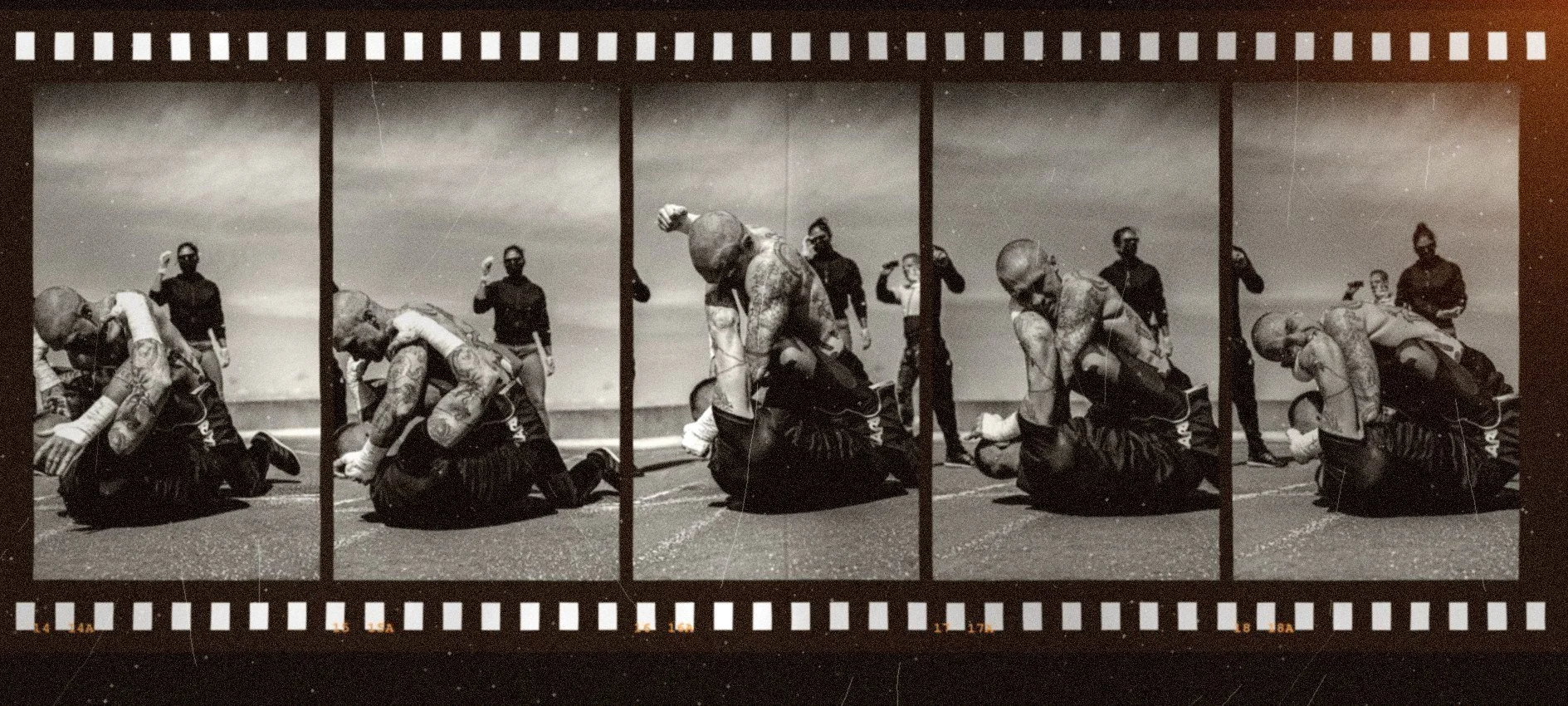
But before the liberation, there is the edge. The minutes before you step out, when everything you believe about yourself is about to be tested, and nobody can do it for you.
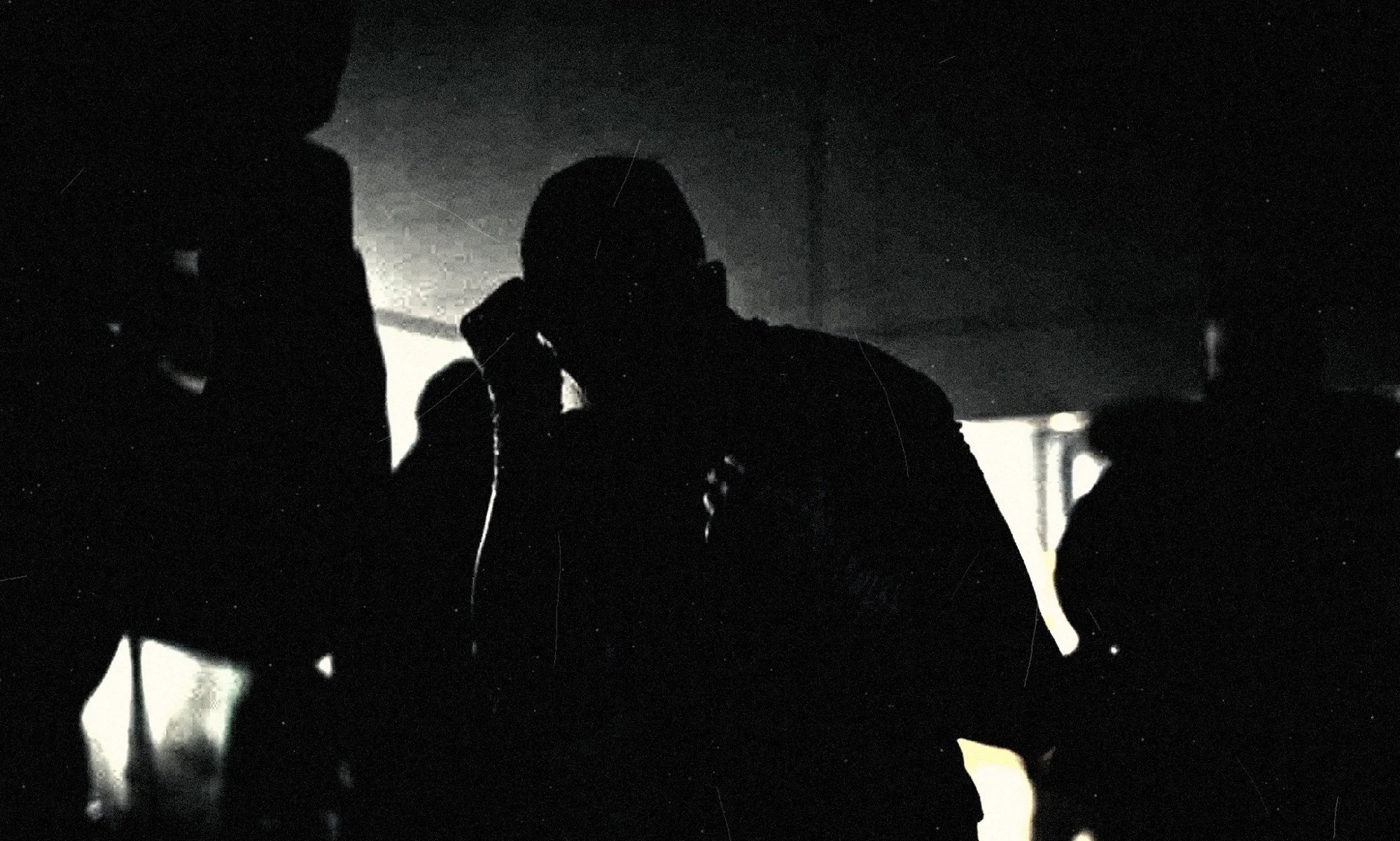
The man from Hype Crew talked about exactly that. Standing alone. No crowd to hide in. Nobody to do it for you.
That is why the liberation can't be borrowed. You can't watch your way to it, or skip the journey by jumping straight onto the concrete to prove something. Men who try that tend to find out the fear was there for a reason.
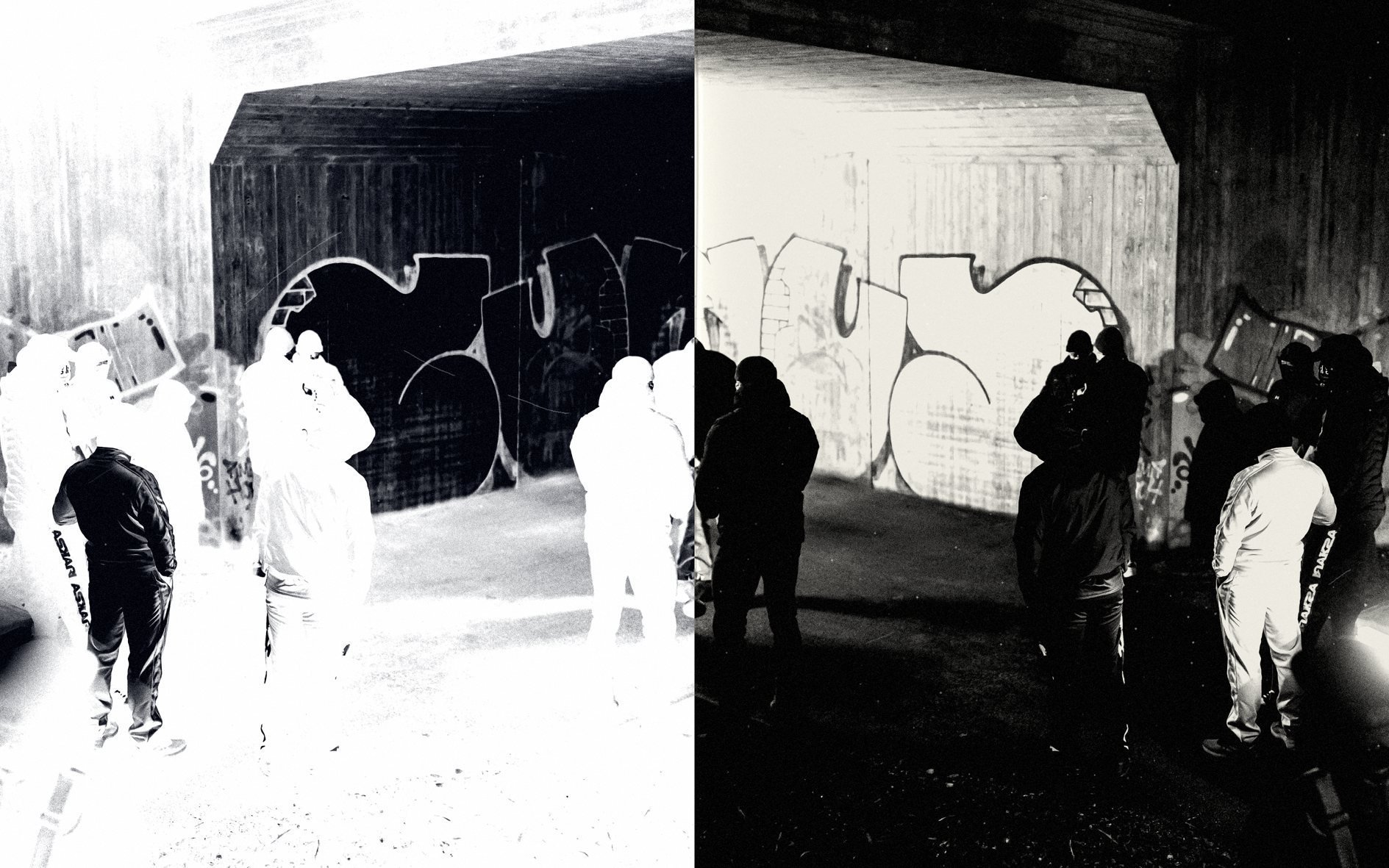
And I have come to think that what people are really afraid of breaking isn't the body. Most fighters will tell you they worry less about getting hurt than about looking stupid. About losing in front of everyone.
So maybe the glass was never the body. Maybe it was the picture we carry of ourselves. The story of who we are, and what we could handle if we ever had to. That's what the first punch really tests. And that is why it feels like freedom when it holds.
I know that fear. As a kid, I never fought. I got hit a few times, and every time, I froze. I couldn't move. I was scared of everything.
The change came to me late. Through martial arts, and through a coach who taught me about more than fighting. Through violence too, if I am honest. It was a force for me. Part of the reason, I think, is that pain is simple. It is very easy to understand when something hurts. It is not easy to understand the world around you, or complicated people, or what everybody wants from you. But a punch is a punch. You take it, and you are still there.
Simon Henriksen, a Danish fighter, started in the same place. “In the start, it was not funny,” he told me about the fights he got into as a boy. “I was scared. Scared as hell. I was insecure, and I had a lot to learn.”
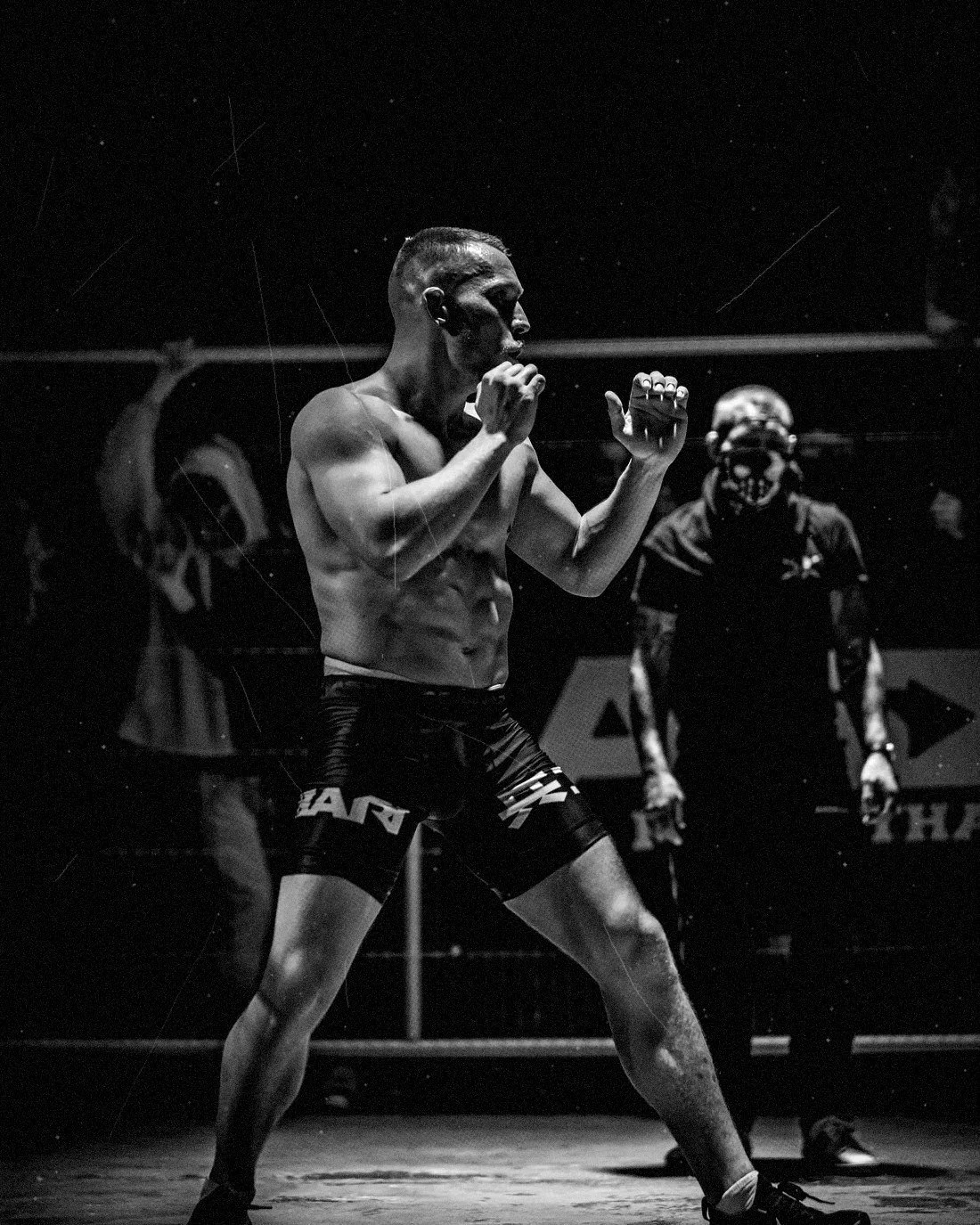
He was always the youngest and the smallest in his group. He lost fights. He got jumped by many guys at once. “I've not always been the strongest and the biggest,” he said. “I think I was growing up faster because of that.”
Nobody showed him how. “Everything I learned, I was by myself,” he said. “I never had anyone telling me, you need to do this, you need to do that.” So he learned it the only way he could. “I need to feel the pain. And I need to find out what's good and what's not.”
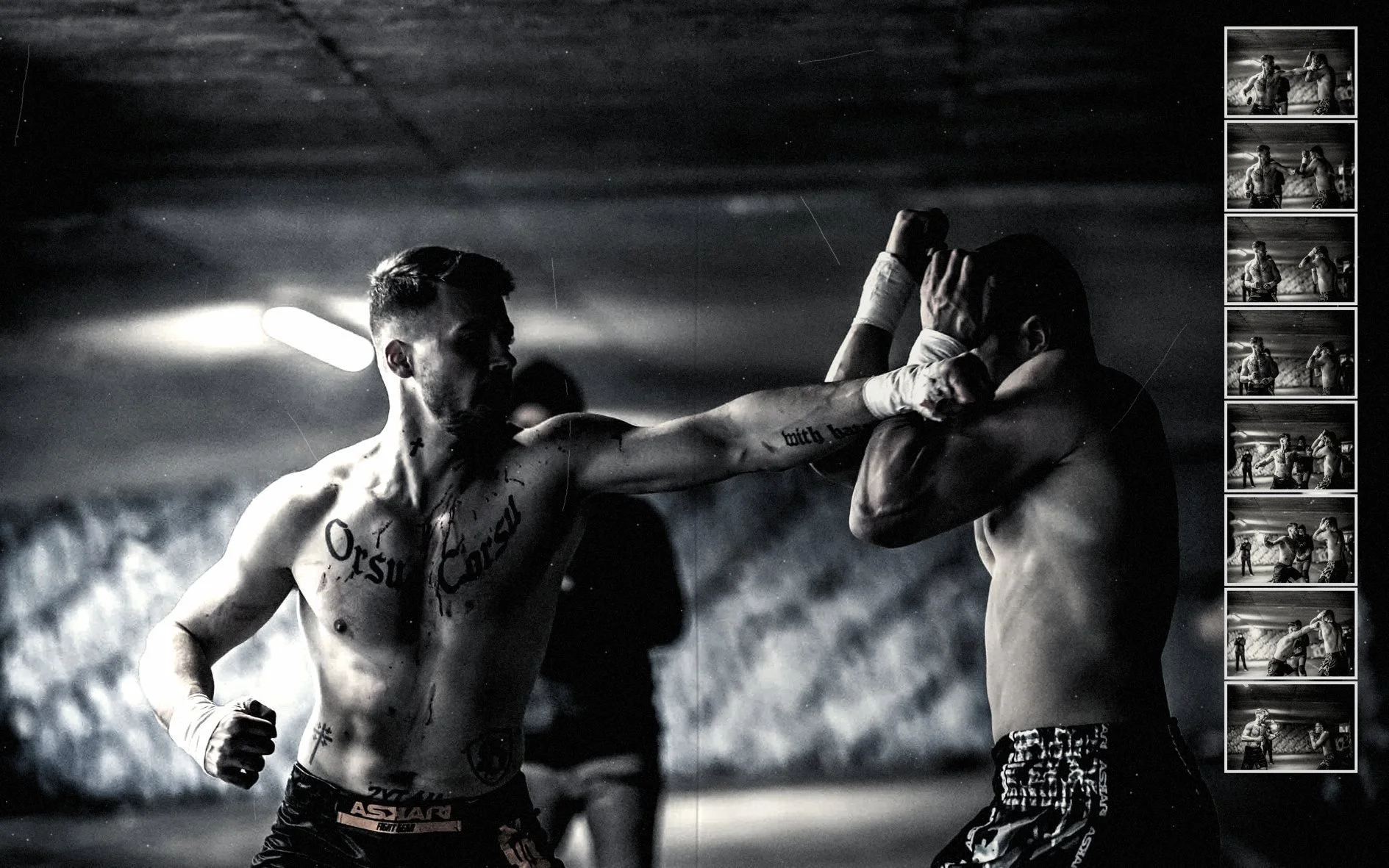
It took him years to build himself up, as he puts it, to become who he is today. Now he describes the minutes before a fight not as fear, but as a different kind of nerves. Good nerves. “Okay,” he remembers telling his friends, “now I'm feeling fucking alive.”
Brian Hooi, a Dutch fighter, took his own road to the same place.
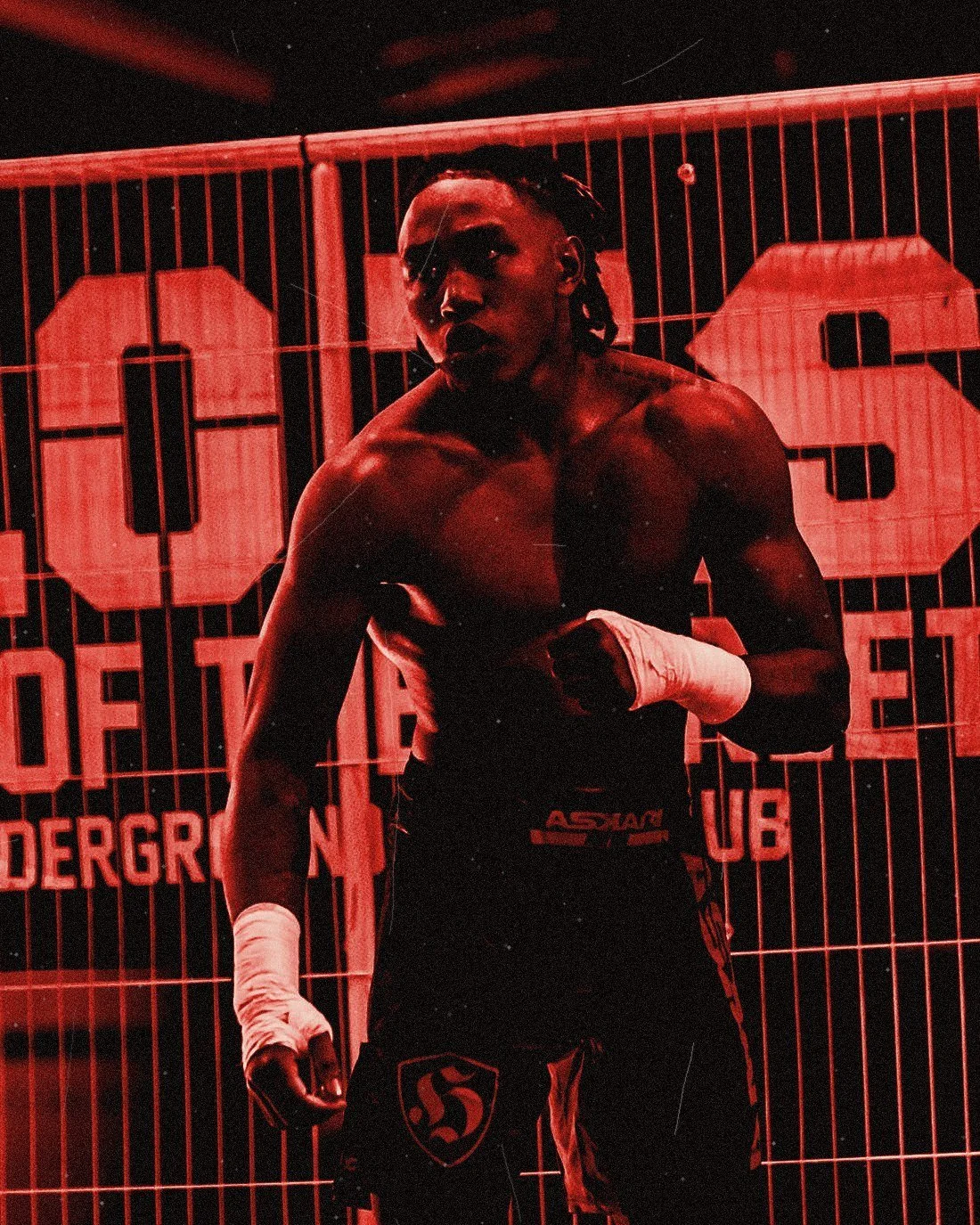
He grew up in a rough neighborhood, raised mostly by his mother. There were junkies on the street, and kids who were up to no good. His mother was so afraid of what the neighborhood would make of him that she sometimes didn't want him to leave the house. He sat in class every day with kids he wasn't allowed to play with after school.
Once, he slipped away with one of them and ended up on the other side of town, somewhere he had never been. He came home hours late. His parents had been out looking for him. His mother was crying. After that, he was told he was never going outside again. “That had quite an impact on me,” he said.
So he went inward. Fighting movies, series, his own fantasy world. And the longer he stayed inside, the more the outside started to scare him. “As a kid, I wanted to do everything,” he told me. “But then later on, I didn't want to do anything anymore.”
He still wonders what it does to a child to be kept that safe. “What is too safe?” he asked. “To raise your kid up too safe?”
What brought him back was a gym. He was a skinny kid, around sixty kilos, and he always had to spar with men twice his size. “There ain't no way of ducking them or avoiding them,” he said. “You need to put something from yourself in it. And it really confronted me with the way that I looked at things. Things I was scared of.”
“That's how I got the confidence again,” he said. “To be able to walk up in my chest again, up high. And through martial arts, that's why I started to go outside more again. Because I need to go to the gym every day.”
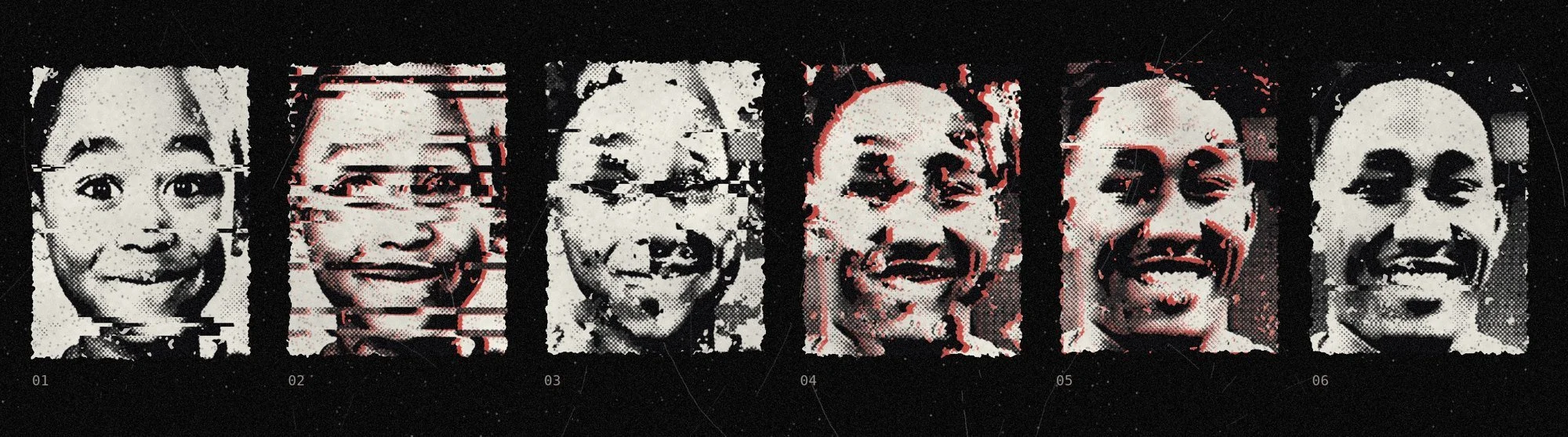
Over my years at King of the Streets, and in all these conversations, I have noticed a pattern. The men who grew up afraid did not get rid of their fear. They got bigger than it. And to get bigger than the dangers they met as boys, many of them had to become more dangerous than those dangers.
I think that is the deal. Nobody hands you a smaller fear. You grow until it fits in your hand.
And that growth comes with a fire. It can light up a whole life. It can also burn everything around it.
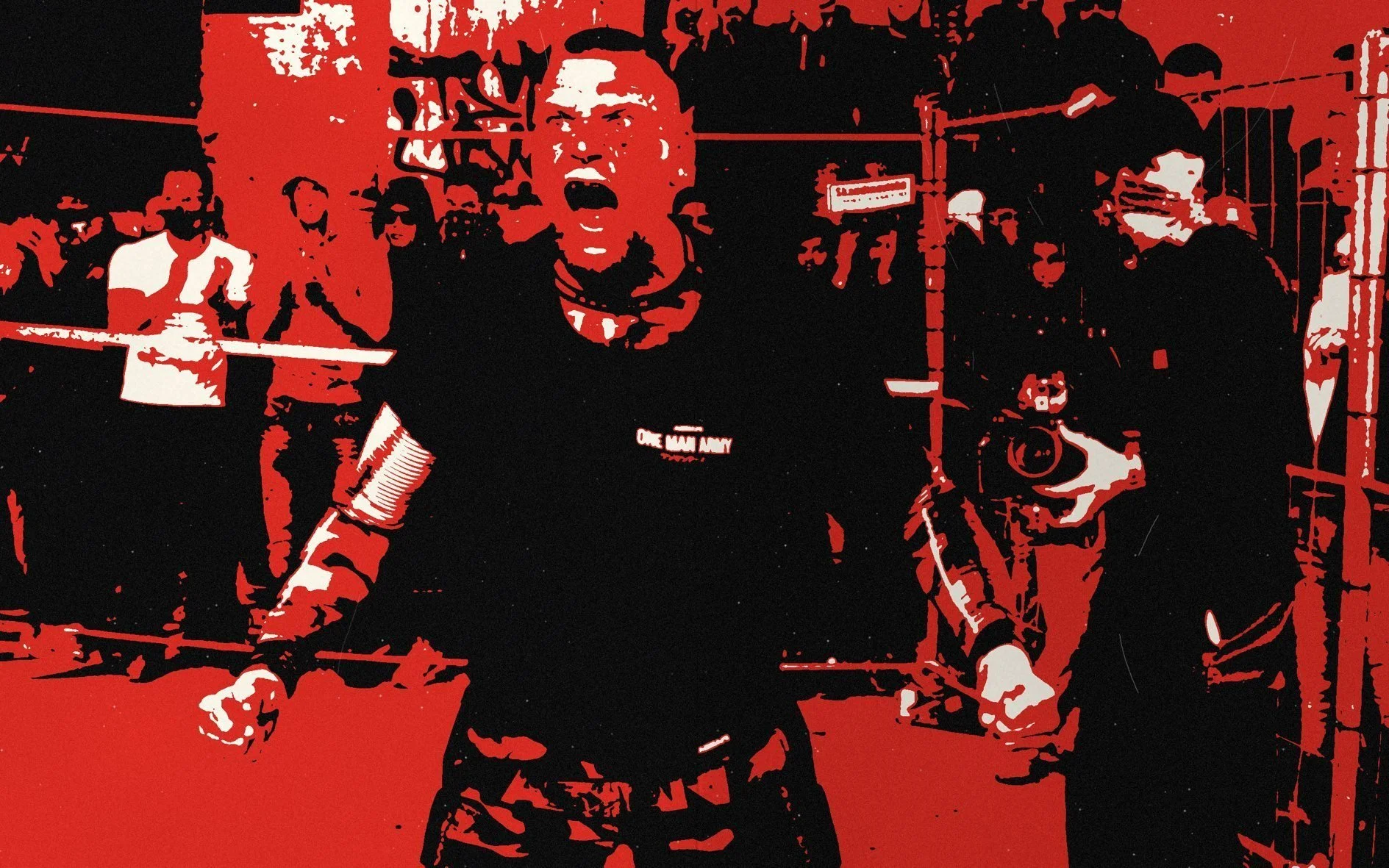
I want to let that moment stand on its own for a second, before asking what anyone does with it. Because the moment itself is not good or bad. It is power. Where that power goes is a different question.
Some men carry it into a lifetime of discipline. Into martial arts, into a kind of honor they live by every day. Others carry it out into the world and put it on other people. The liberation is the same. What it feeds is not.
That is where the fire starts.
“If I had not found fighting, I would have searched for adrenaline. Extreme things. Anything to boost myself.”
Simon Henriksen
III.The fire
I asked Simon what would have happened if he never found fighting. His answer was simple. The fire would have been there anyway. It would just have gone somewhere else.
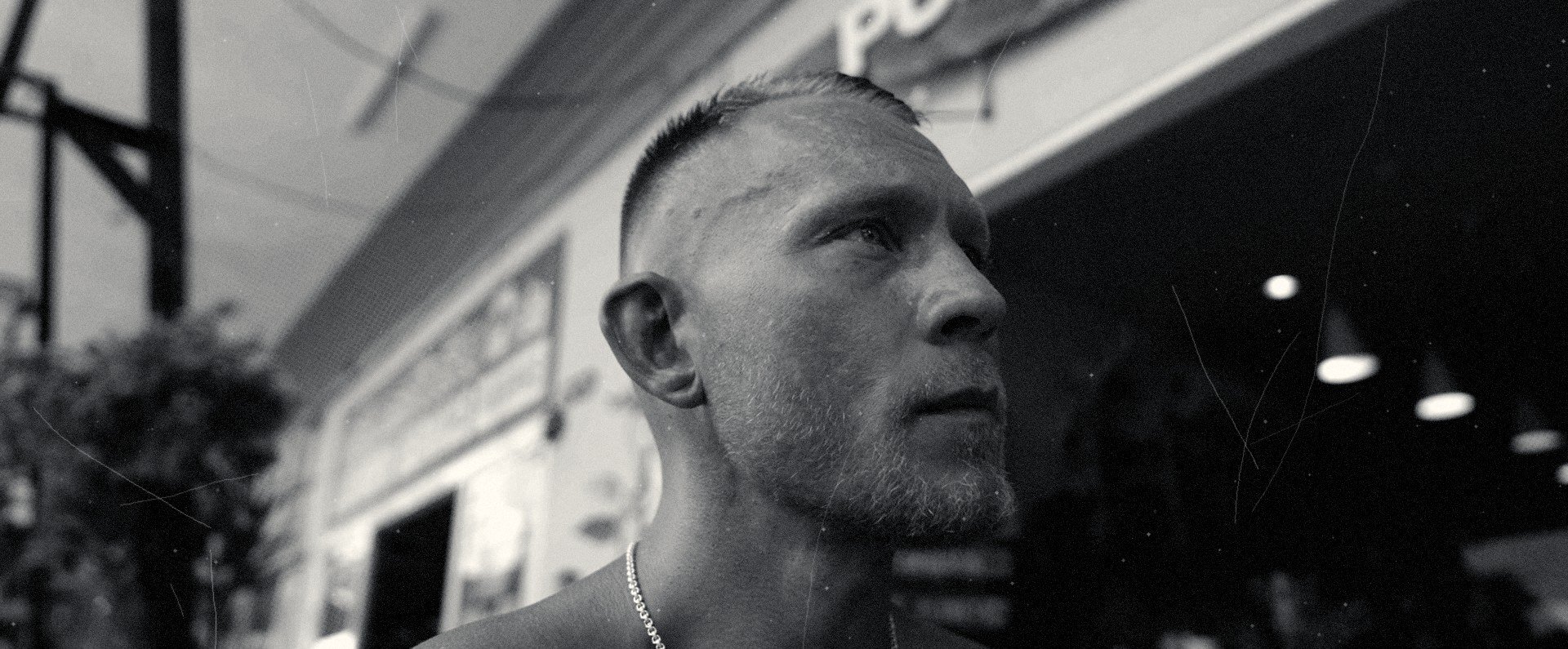
That is the part people outside this world rarely understand. The fire doesn't come from King of the Streets. It was lit long before, in the boy who got jumped, in the kid who froze. Fighting gave it somewhere to go. And once it is burning, it doesn't ask what you want it for.
The same simplicity that sets you free can trap you. If pain is the one thing you truly understand, then more and more of life starts to look like a fight. Every slight becomes a test. Every disagreement becomes a question of who backs down.
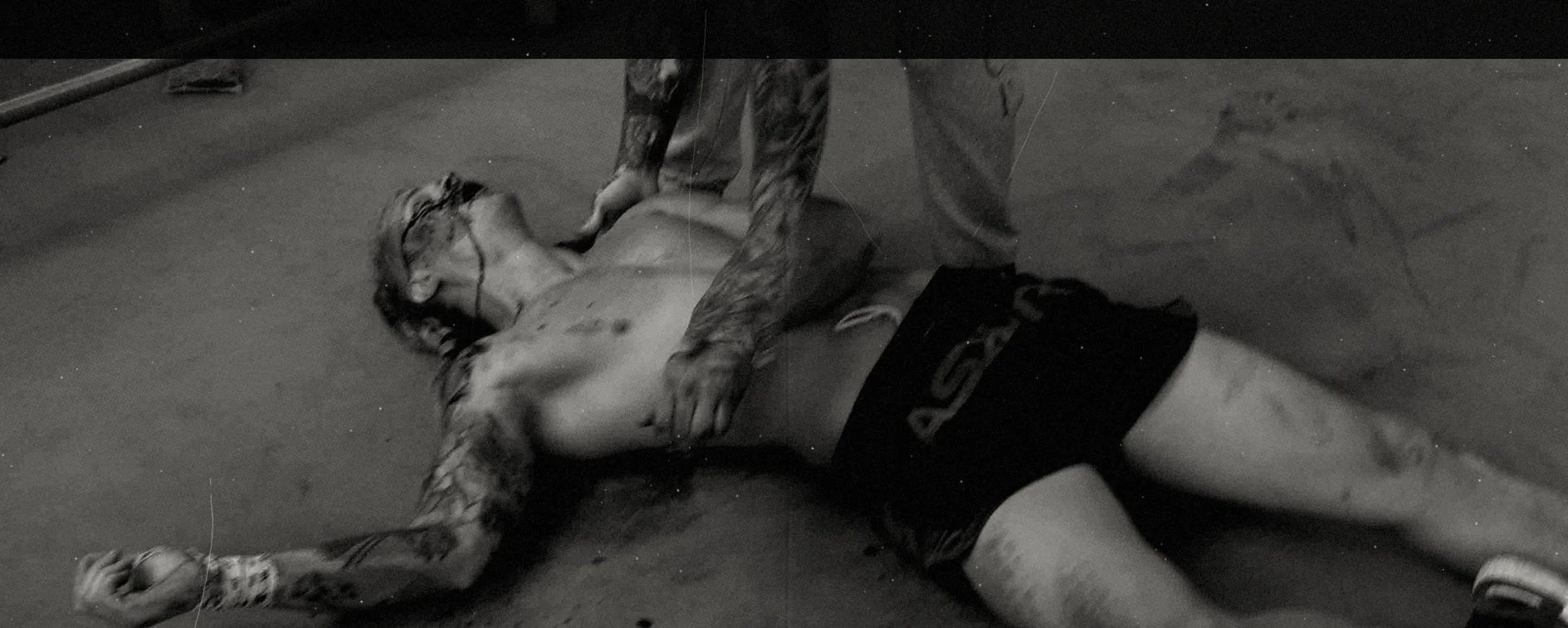
The first punch can teach a man he isn't made of glass. It doesn't teach him when to stop.
IV.A fragment
I understand why that first punch matters. It is pivotal for a man to discover how he can carry the weight of himself in the world. To learn that he won't shatter.
But being tough is only a fragment of what makes a man.
The fire lights us up. It can also burn us.
As much as I’ve seen men overcome their fears, I have also seen them burn themselves and people around them.
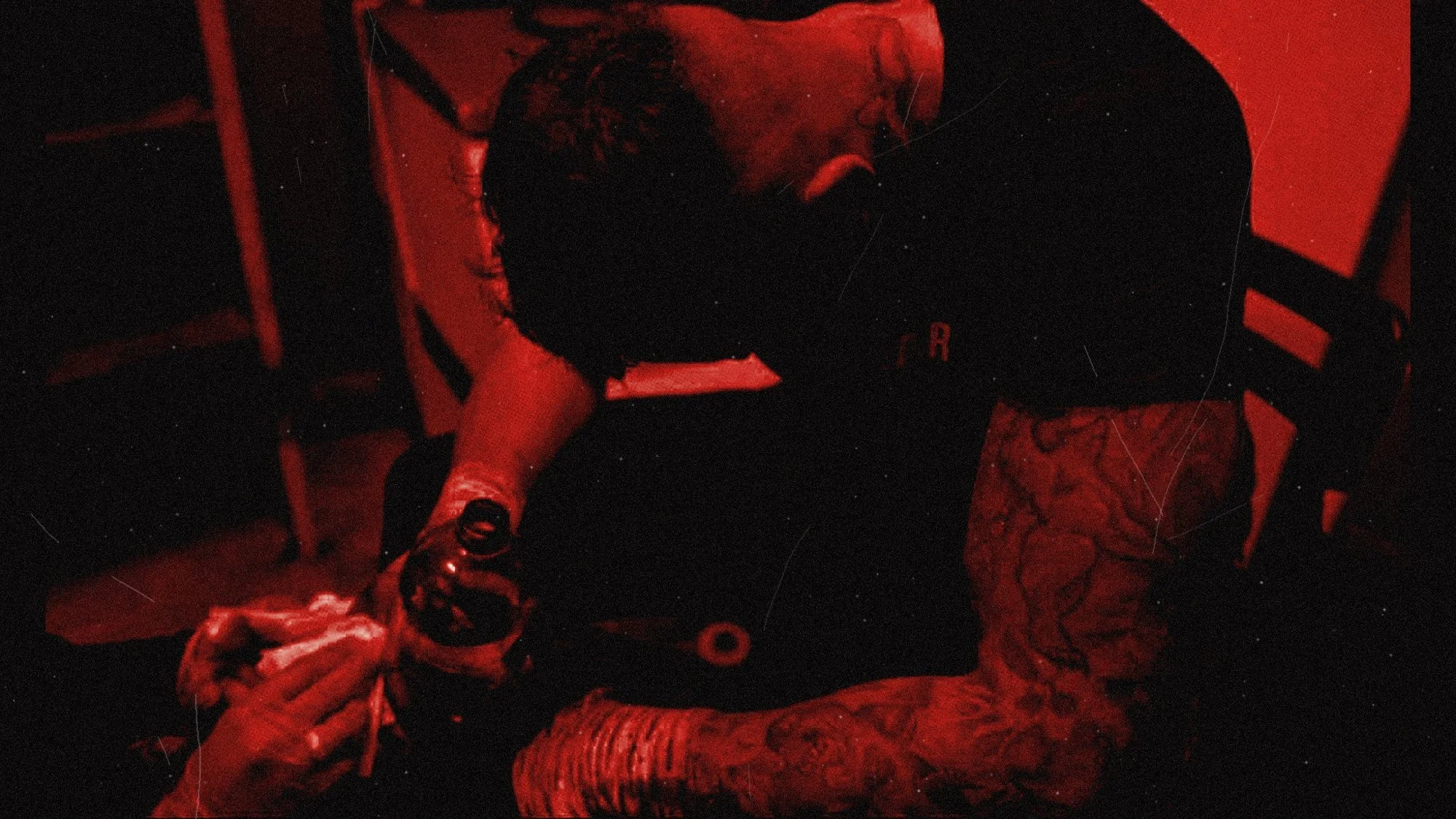
If you go looking for it, do it responsibly.
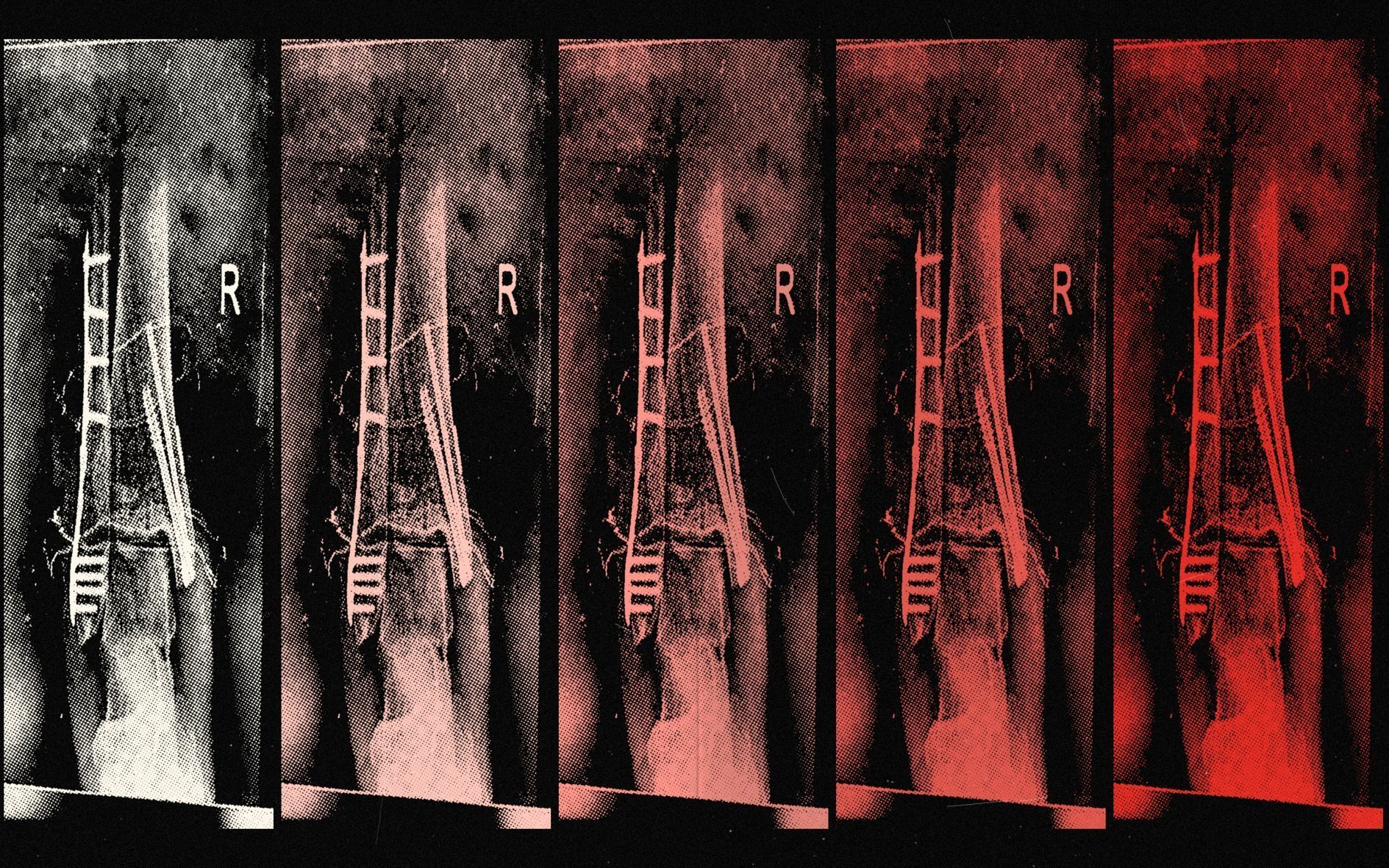
Victor Palm is the director of King of the Streets: The Documentary.
