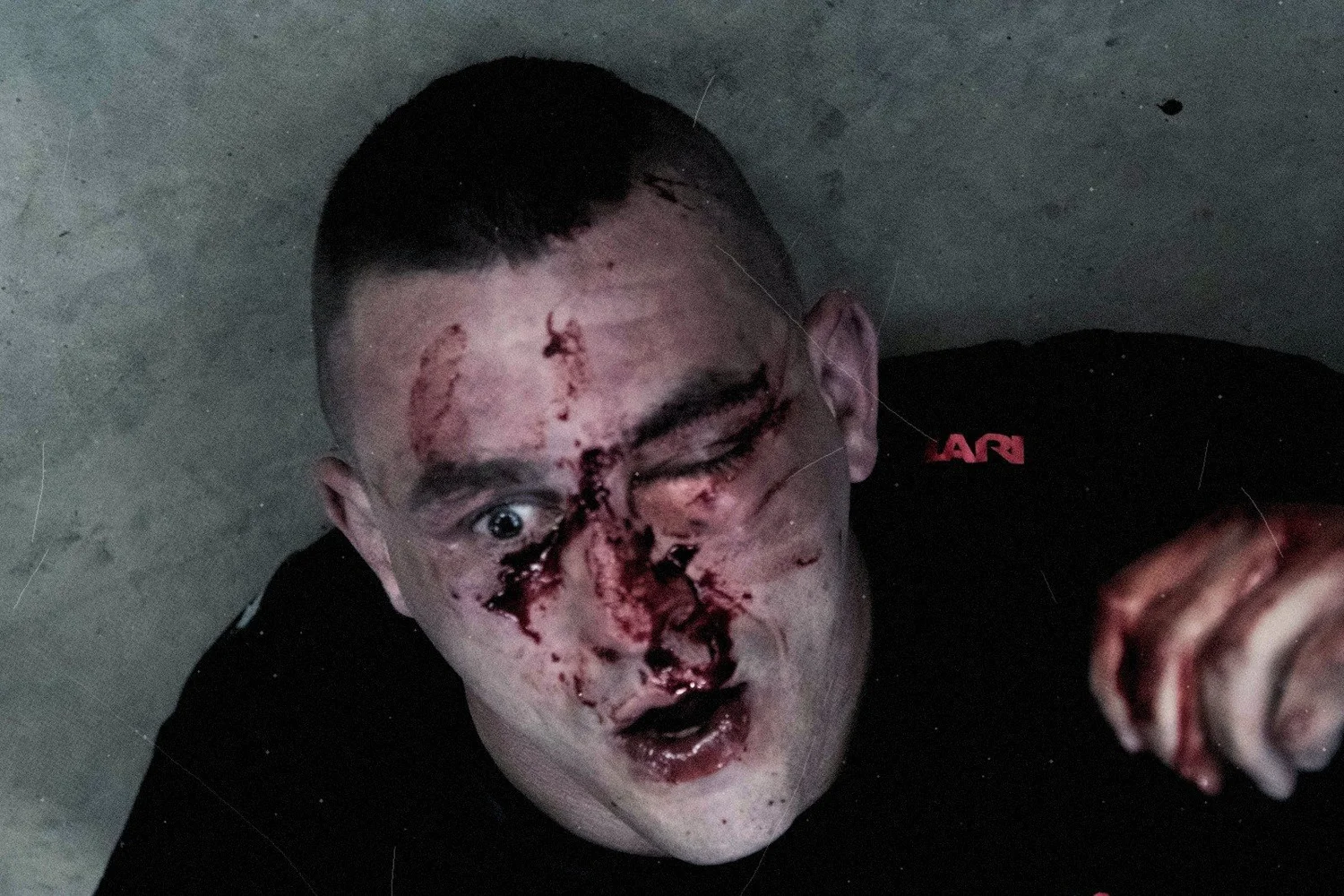
One thing I learned inside the world's most notorious fight club
The Piece of Paper
Every fighter signs his name before he steps onto the concrete. Liam Wilson knows exactly what it says.
The coordinates arrive the way they always do. A pin on a map, a time, nothing else. No address, no explanation. By evening, cars are rolling slowly into an industrial area on the edge of a city, far from anything familiar, until a man in dark clothes waves them off. Park further away. Too many cars here. Too much attention.
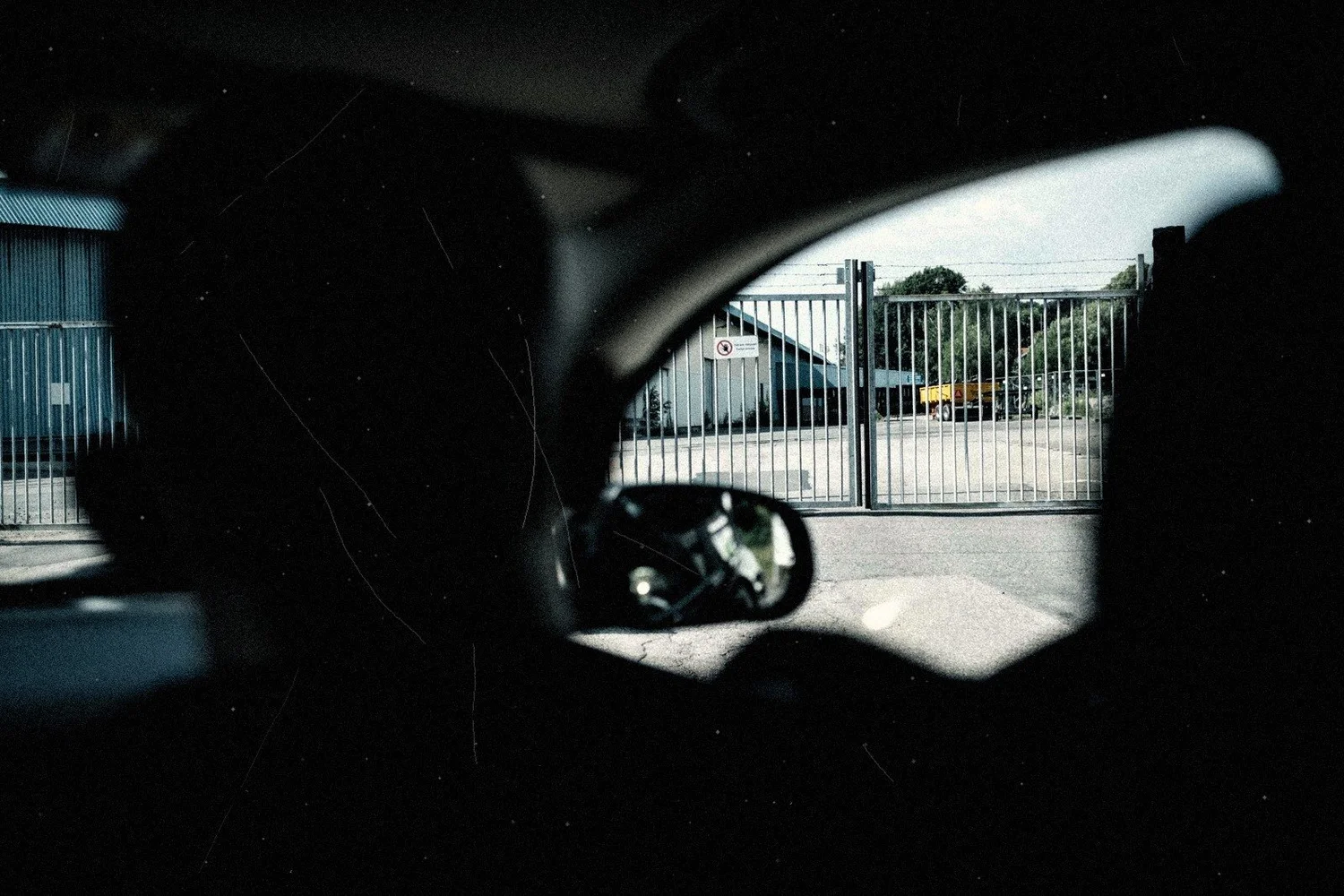
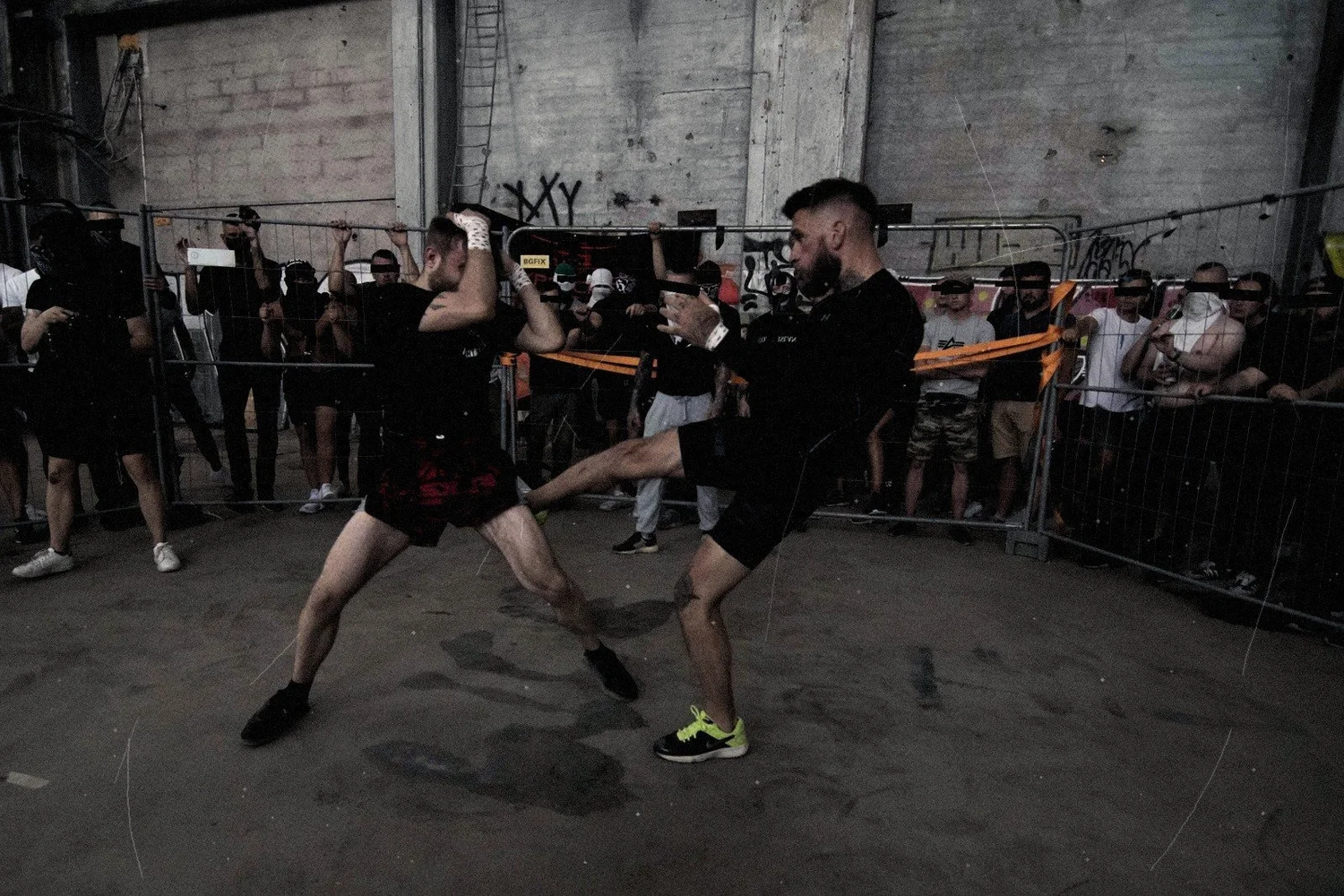
Inside the warehouse, the cold is the first thing you notice. Then the fences: ordinary construction fences set up in an octagon on bare concrete, the crude outline of a ring. Dark electronic music hums somewhere in the background. A projector throws old fights onto a crumbling wall. Almost every face in the room is covered.
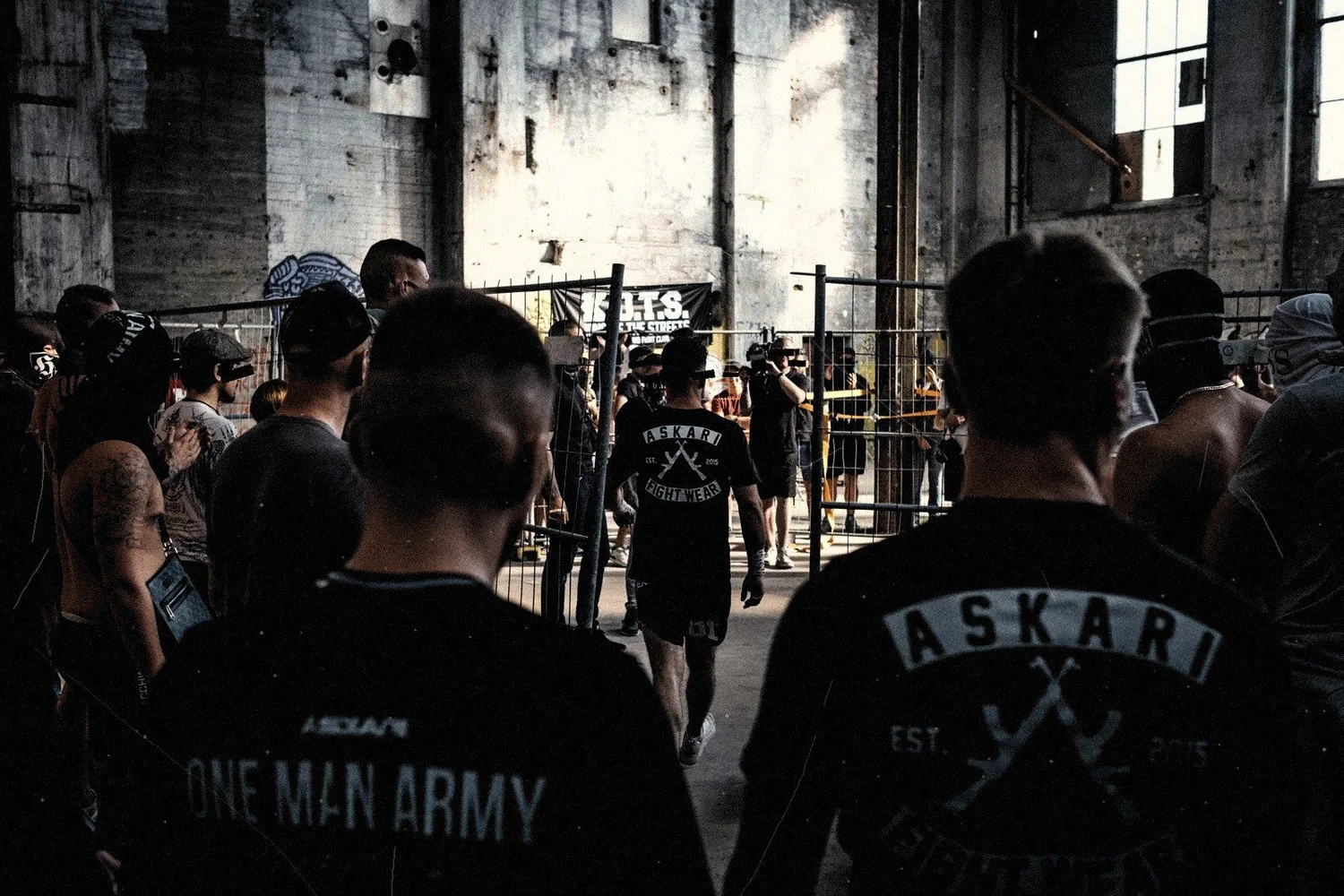
This is King of the Streets. It started in an abandoned warehouse in Gothenburg in 2013, and it has since become the most notorious underground fight club in the world, followed online by millions who will never stand in a room like this one. No rules. No rounds. No weight classes. A concrete floor, two people, and whatever happens between them.
And before any of it begins, there is paperwork.
I.The signature
Every fighter signs a waiver before he fights. I have filmed inside this world for seven years, and I have still not seen one up close myself. What I know is what it is there to say: that he understands what he is entering, that no rules means no rules, and that the risk includes death. He signs it with a pen, on a piece of paper, in a cold room.
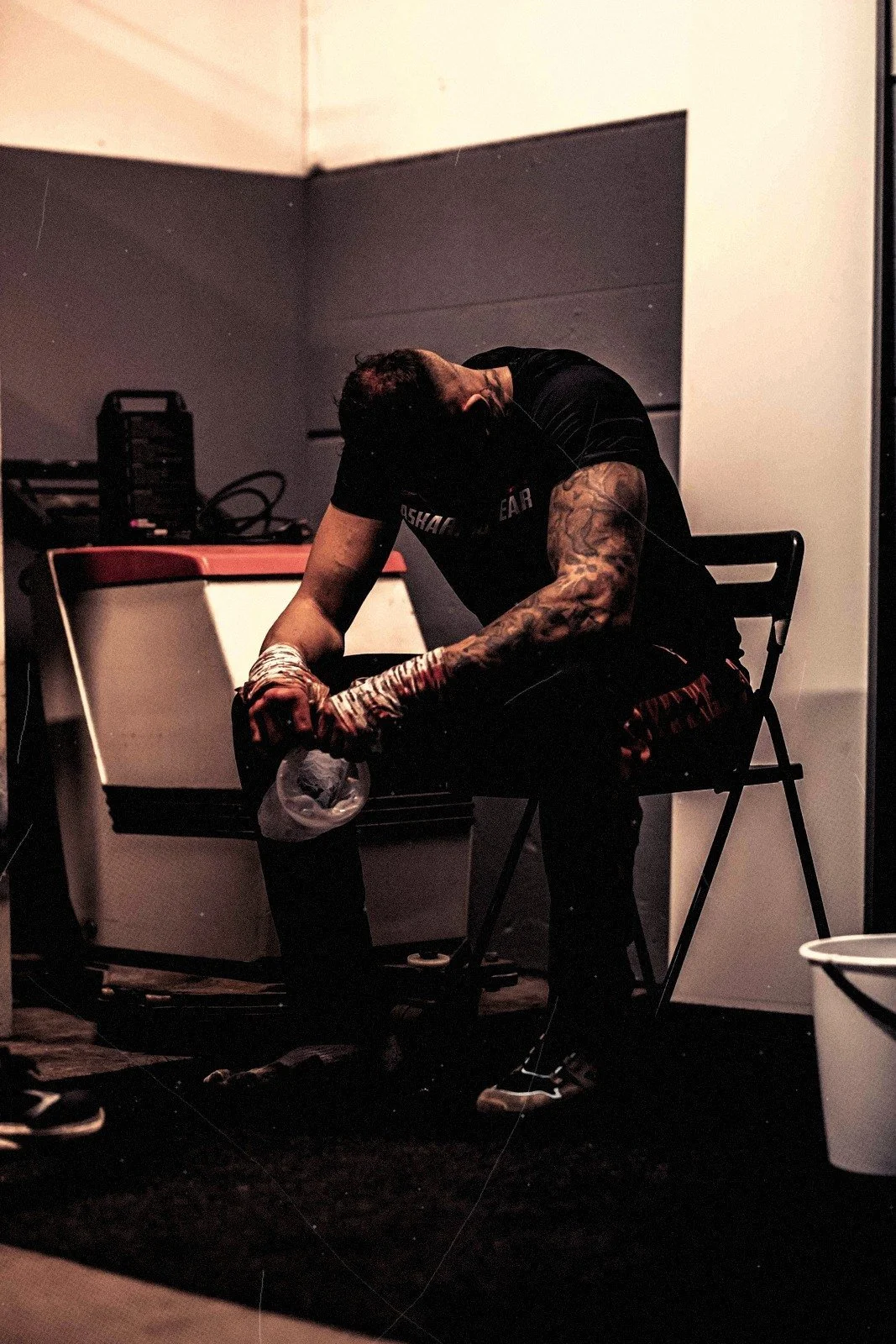
Of everything in this world, it is that piece of paper I come back to most, maybe because I have never read it myself. In a world of terms and conditions nobody reads, this one is different. A man holding a pen, knowing what the words say, and signing anyway.
II.What is at risk
The risk a fighter signs for includes death. It is easy to read that line as being about the fighter alone. It is not.
Losing the fight is the small risk. A cut heals. A broken nose is set. A loss is forgotten by the next event. Death is the one outcome that does not stay inside the fence.
If it happens, the man who signed is gone in a moment. The people who never signed anything are left with it for the rest of their lives. A mother. A father. A brother. A wife, a husband, a girlfriend, a boyfriend.
None of them held the pen. None of them stood on the concrete. They would carry it anyway.
That is the part of the paper nobody reads out loud. The fighter signs for himself, but the grief belongs to the people who love him.
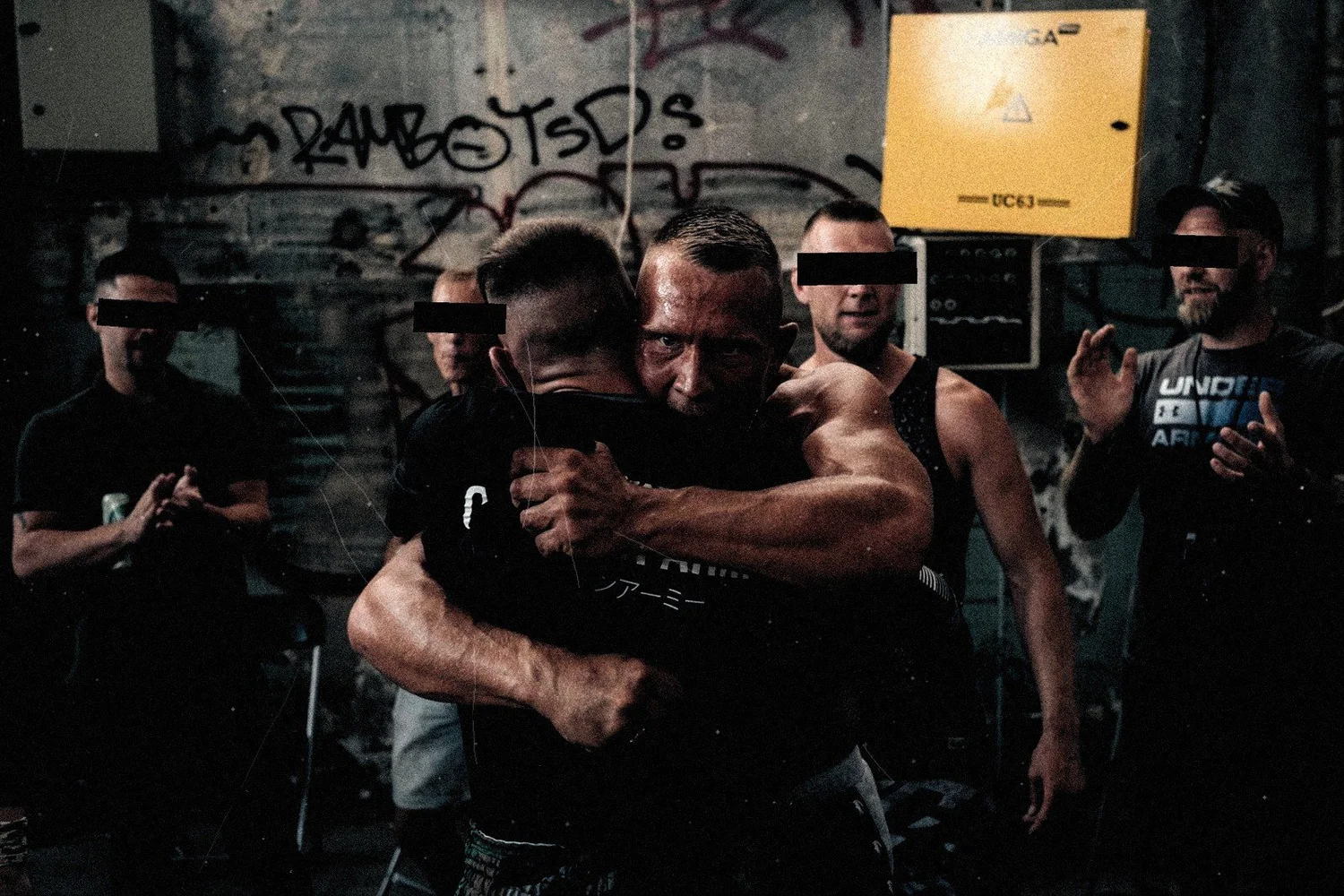
Liam Wilson has signed it several times.
III.The man with the pen
Liam is a known name in the community. He talks the way most fighters here talk about the danger, flatly, without performance.
“You can die in there. Like I know that.”
Liam Wilson
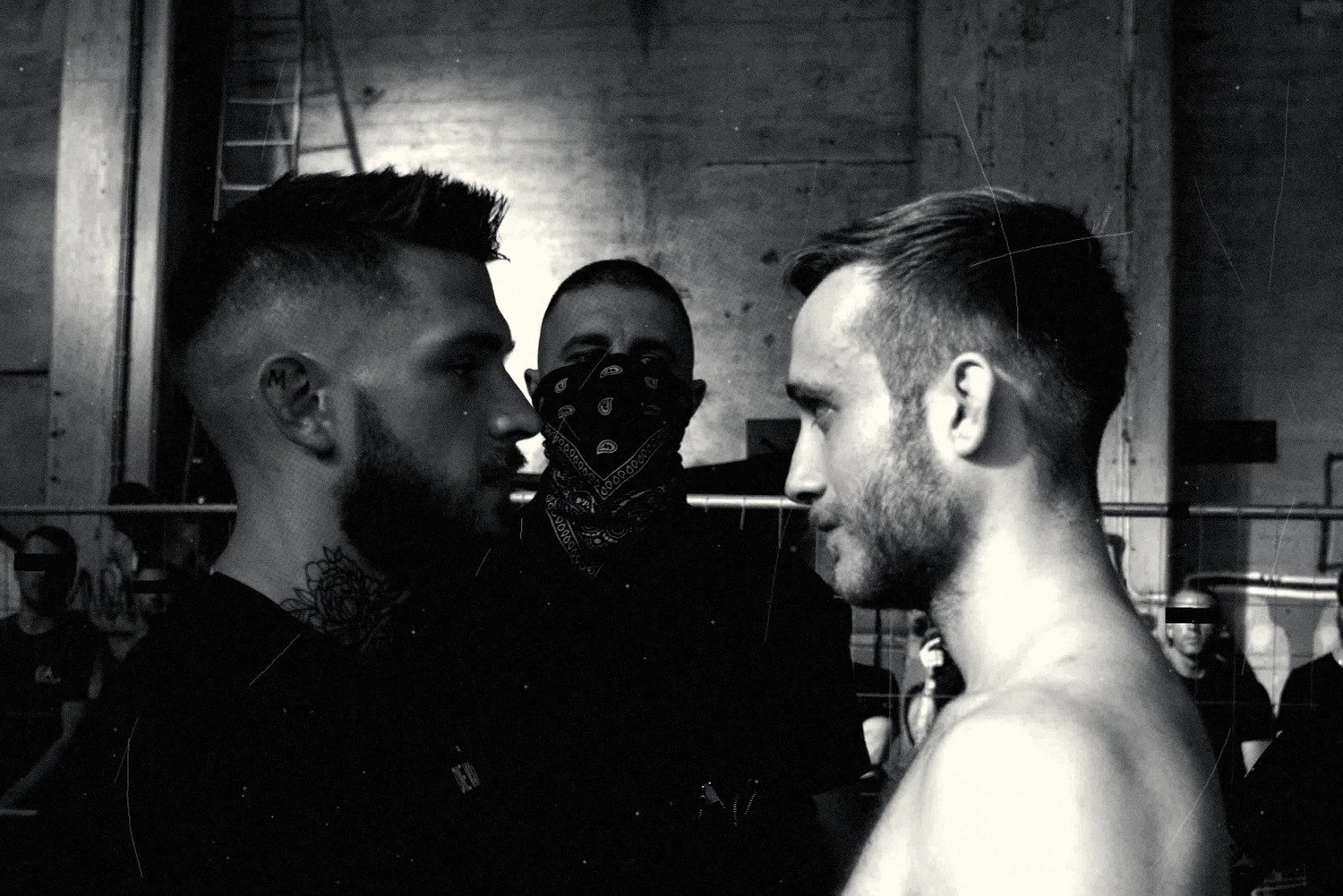
“I haven't tried to hide the fact that [my wife] knows that as well,” he says. He says her support is the only thing he needs before a fight, and he has given the same advice to every man who has asked him how to get in. If your partner doesn't understand, don't do it.
“Once you're in there, you need to be 110 percent focused,” he says. “Win or lose, she's with me. That's all I need.”
He remembers his first night with unusual clarity. He was driven to an industrial estate, to an abandoned warehouse “full of football hooligans and people with balaclavas,” a world he had never been part of. “It was petrifying,” he says. “Very intimidating.”
Then something shifted. As the fight got closer, he looked around the room and saw it in everyone. “I just could tell everybody was just as scared as I was,” he says. “No matter if they're a hooligan or not.”
IV.The room before
The fighters warm up along the fences. You can tell who has done this before. Their movements are calm, steady, almost slow. The others look out of place, eyes moving too fast.
Somewhere in the building there are doctors. Always at least two. On one night that we filmed, one of them was a brain surgeon. The nearest hospital was fourteen minutes away.
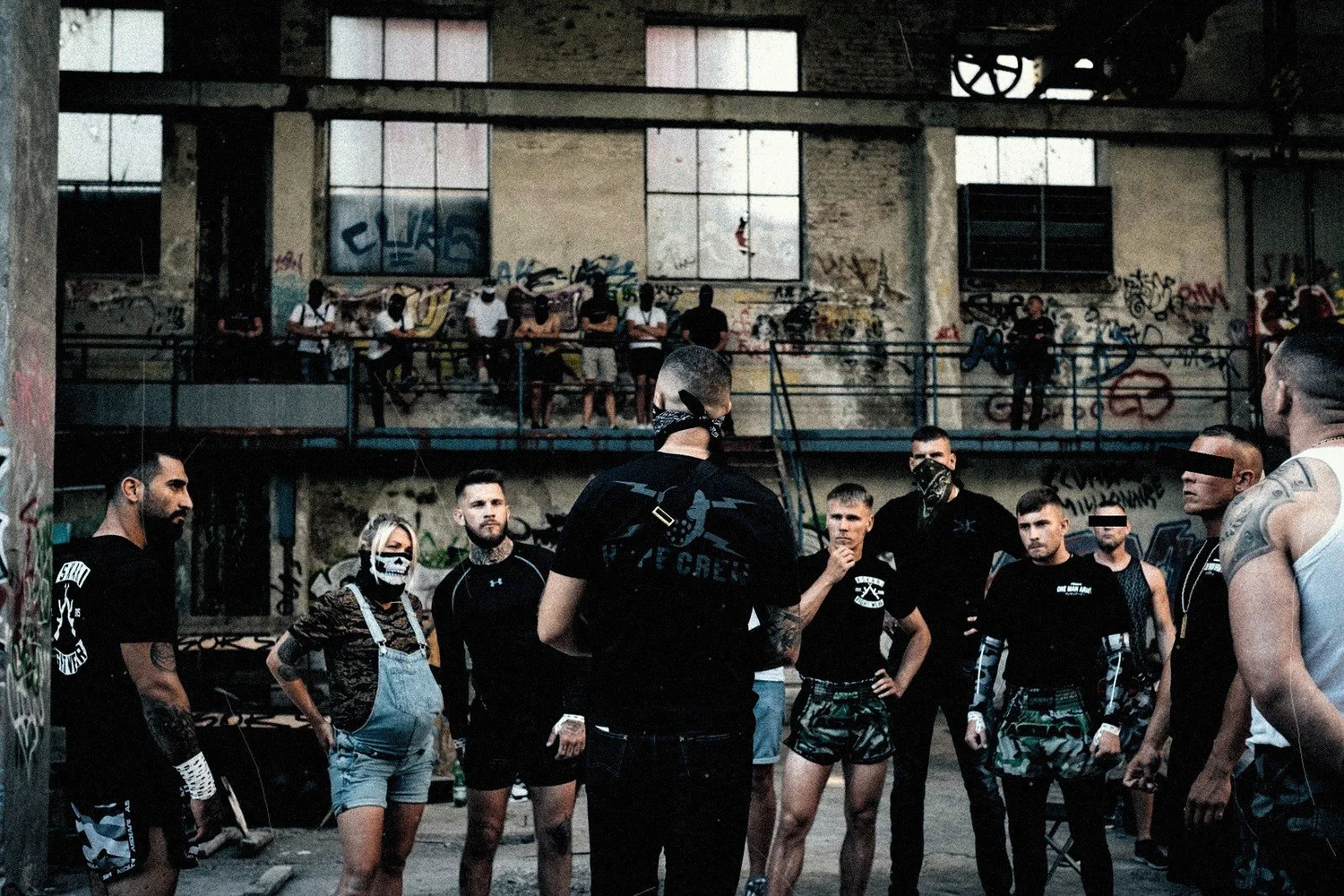
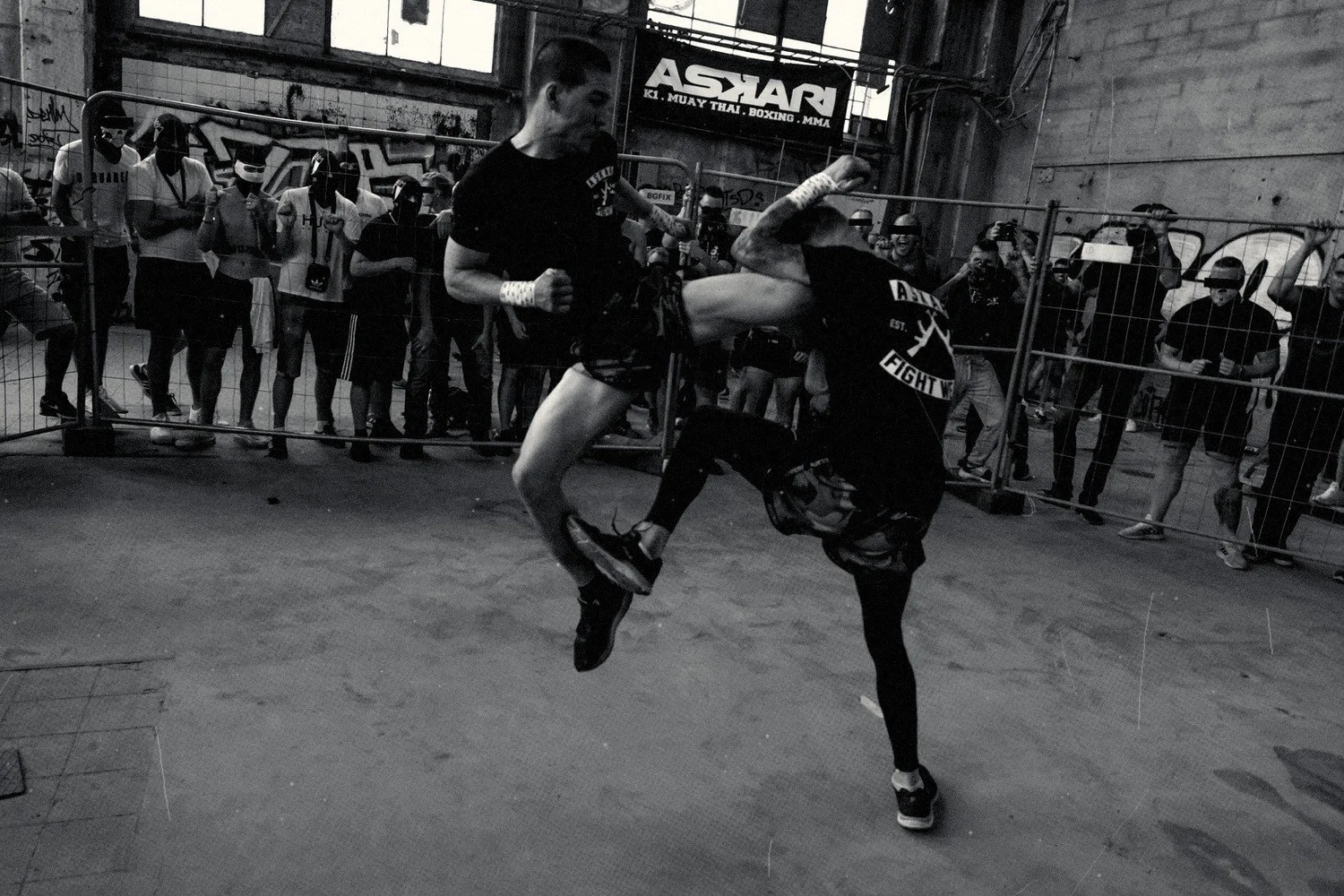
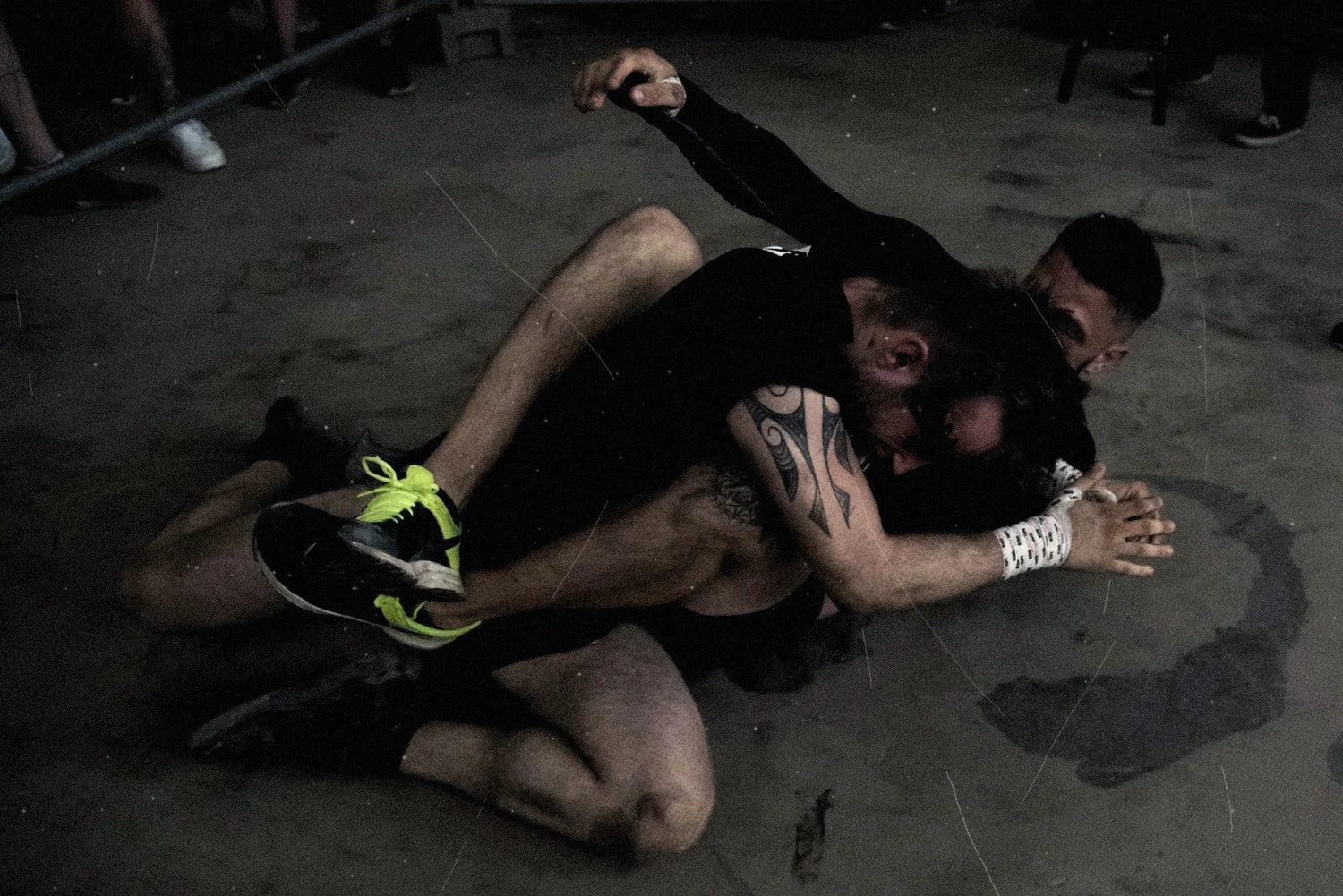
There is no referee in the sense most people understand. There is a judge, and his role is narrow: to stop the fight when a fighter genuinely cannot go on. Not to score it. Not to protect a man from losing badly. The fight decides who wins.
Around the fences, people smile. Not the way you've seen people smile before. It is a tight, watchful smile, as if everyone is waiting to find out what they have agreed to watch.
V.What the paper means
Most of us sign things every day without reading them. An app update. A cookie banner. A privacy policy we scroll past to find the button. The words were never written for us. They were written to protect someone else.
The paper in the warehouse is meant to be the opposite. It is written for the person holding the pen. And everyone in the room knows what it is for, even those of us who have never read it up close.
What stays with me is not that these men accept the risk. It is that they look at it. Most of modern life is arranged so that we never have to: insurance, helmets, referees, someone else in charge. Good things, most of them. But somewhere along the way many of us stopped knowing what we were actually agreeing to.
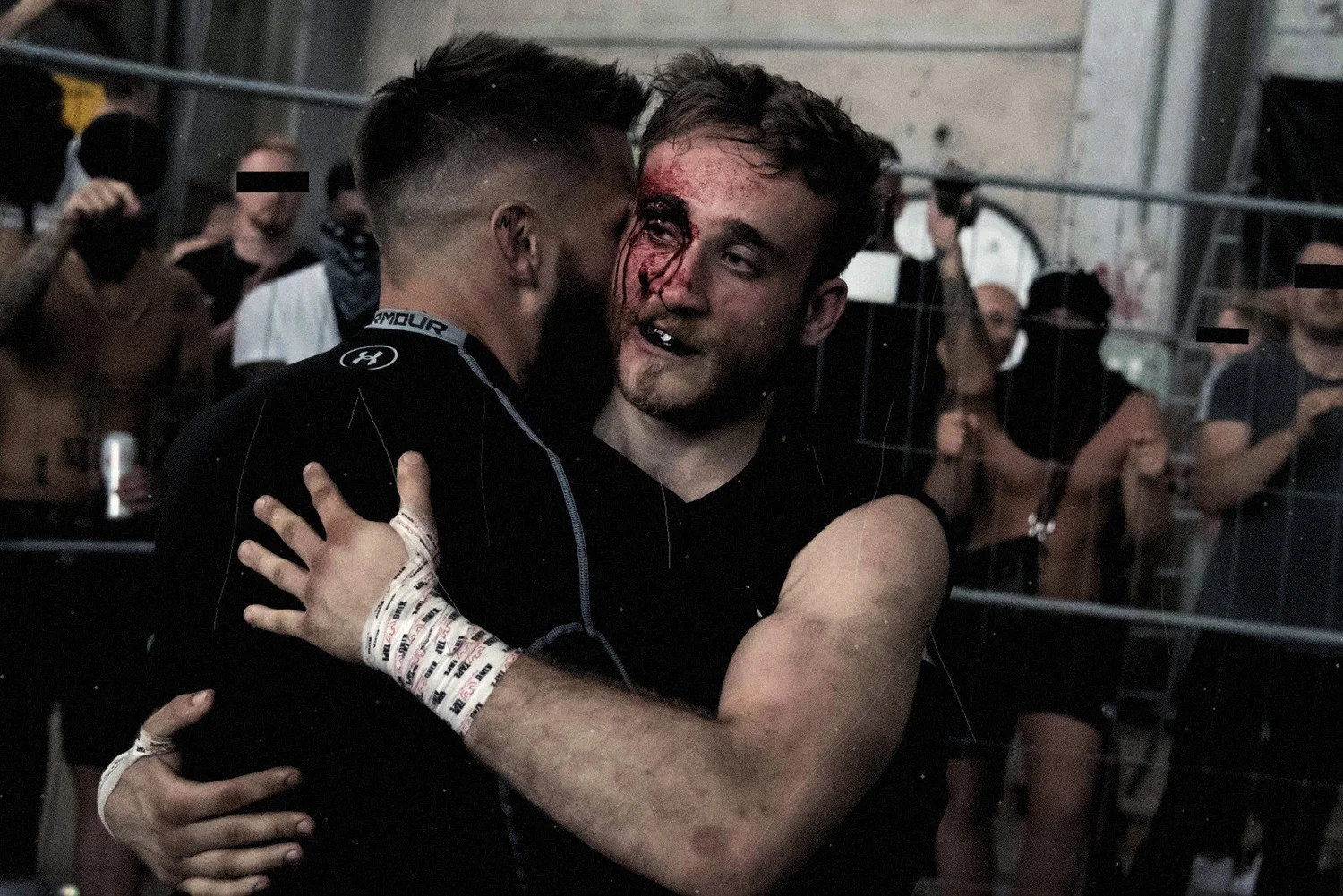
Liam describes his first fight as the moment everything clicked into place. “I just felt so at home after it,” he says. “Just felt at peace.”
I am not saying he is right. I have stood in that room and felt my stomach turn, wondering what happens if someone takes a hit they cannot get up from. I still feel it, every time.
But I have never seen a decision made more honestly.
Would you sign it?
Victor Palm is the director of King of the Streets: The Documentary.
